
Dell’Oro Group said telecom operators significantly reduced their investments in both wireless and wireline infrastructure during 2024.
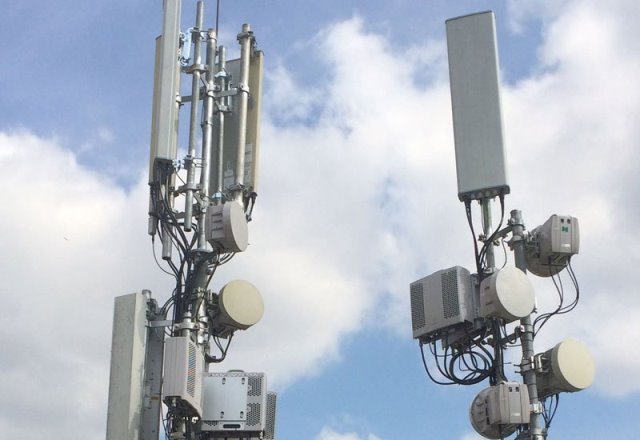
The overall balance between carrier revenues, capex, and telecom equipment remained relatively stable, but the financial metrics showed a downward shift, with global telecom capex declining by 8 percent.
Simultaneously, telecom equipment manufacturing revenues for the six key programs tracked by Dell’Oro experienced an even steeper decline of 11 percent in 2024, signaling a pullback in infrastructure development and hardware procurement.
The post-5G and fiber build-out phase has brought new dynamics into play, revealing a divergence in strategies among telecom operators. With major deployment cycles now largely completed, the risk appetites of various operators are influencing their investment approaches.
Some carriers continue to pursue a growth-centric path, maintaining high capital intensity to secure long-term competitiveness and readiness for future technological transitions. However, the majority are now gravitating toward a more conservative stance, operating under the belief that market growth potential is limited and that prioritizing efficiency over expansion poses fewer risks.
Looking ahead, the Dell’Oro report suggests that investment conditions may stabilize in 2025, although the year will still pose challenges for both capex and equipment vendors. The medium-term outlook remains cautious, with carrier capex projected to decline at a compound annual growth rate (CAGR) of 2 percent over the next three years.
Carrier revenues are forecasted to inch upward with a modest 1 percent CAGR. As a result, the capex-to-revenue ratio is expected to fall to approximately 14 percent by 2027, down from 16 percent in 2024. This decline reflects a broader trend of financial prudence and tighter capital management.
Wireless capital intensity, in particular, is forecast to decrease to a range of 12 to 13 percent by 2027—five to six percentage points lower than the peak levels seen during the height of 5G deployment. These trends point to a more restrained investment climate in the telecom industry, with a stronger focus on efficiency and return on investment rather than aggressive infrastructure expansion.
Baburajan Kizhakedath


