
Foxconn has announced its intention to apply for incentives under India’s semiconductor production plan revealing its commitment to establishing a robust semiconductor manufacturing ecosystem in the country, Reuters news report said.
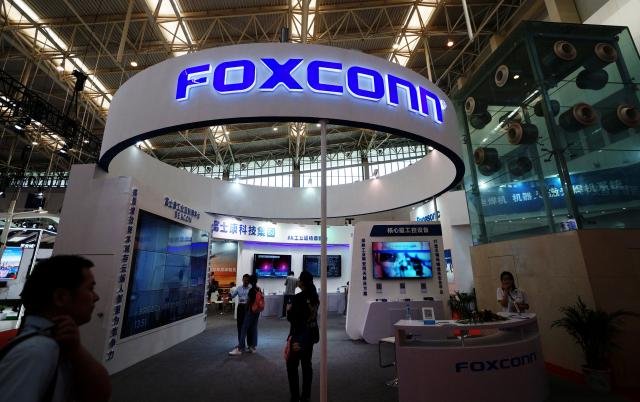 The decision comes shortly after the Taiwanese firm, the # electronics manufacturer and a supplier to Apple, withdrew from a $19.5 billion chipmaking joint venture with Vedanta, dealing a setback to Prime Minister Narendra Modi’s chipmaking plans for India.
Under India’s Modified Programme for Semiconductors and Display Fab Ecosystem, a $10 billion plan, incentives of up to 50 percent of capital costs are offered for semiconductor and display manufacturing projects. Foxconn expressed its active review of potential partners and its confidence in India’s ability to successfully develop a semiconductor manufacturing ecosystem.
Despite the setback caused by the breakup with Vedanta, Foxconn’s decision to seek incentives reaffirms its commitment to India and its willingness to explore new partnerships for semiconductor manufacturing. The company is reportedly engaged in discussions with local and international partners for the production of semiconductors, particularly for products like electric vehicles (EVs).
India has ambitious plans to develop its semiconductor market, with expectations that it will be worth $63 billion by 2026. However, the progress of Modi’s chipmaking plans has faced challenges. Last year, three companies, including the Vedanta-Foxconn JV, applied for incentives, but none of the plans have been finalized.
The split with Vedanta was attributed to the project’s slow progress and challenging gaps that could not be resolved smoothly. Talks with European chipmaker STMicroelectronics as a tech partner for the Vedanta-Foxconn JV and delays in incentive approvals were among the reasons for the withdrawal. Concerns about Vedanta’s finances, as reflected in its significant net debt, also influenced Foxconn’s decision.
While the breakup with Vedanta presents a setback for Modi’s chipmaking plans, both Foxconn and the Indian government have stated that it will have no impact on India’s semiconductor ambitions. The government continues to view Foxconn and Vedanta as valued investors in the country.
Overall, Foxconn’s intention to apply for incentives under India’s semiconductor production plan demonstrates its commitment to pursuing semiconductor manufacturing opportunities in the country. As India seeks to develop its domestic semiconductor industry, collaborations with global industry players like Foxconn will play a crucial role in achieving its goals and fostering technological growth in the nation.


