
Today’s telecom news includes announcements on Verizon, Amazon, FCC, Starlink, AST SpaceMobile, T-Mobile, among others.
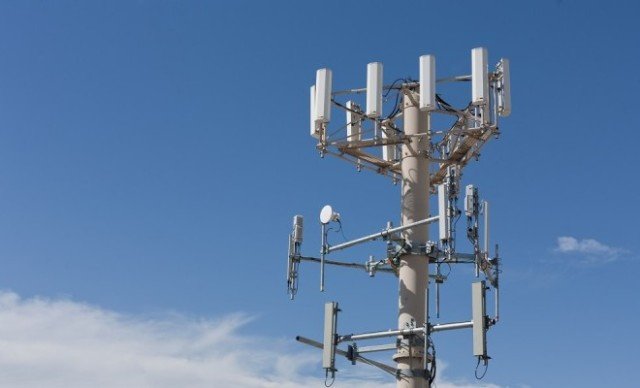
Verizon Fiber Partners Commit $1.5 Billion to Accelerate Network Expansion
Verizon’s fiber infrastructure partners are investing approximately $1.5 billion in a new network venture aimed at accelerating fiber deployment and strengthening high-capacity connectivity across the United States. The investment highlights growing demand for fiber infrastructure driven by AI workloads, cloud computing, enterprise connectivity, and expanding broadband services. The venture is expected to improve network reach while enabling Verizon to expand fiber availability without bearing the full capital burden alone. The partnership reflects the increasing role of infrastructure investors in financing next-generation telecom networks as operators seek faster deployment and improved returns. The move also reinforces fiber’s importance as the foundation for AI data centers, 5G backhaul, and future digital infrastructure growth.
Amazon Seeks FCC Approval for Massive 5,105-Satellite Direct-to-Device Network
Amazon has applied to the U.S. Federal Communications Commission for approval to deploy a constellation of 5,105 low Earth orbit satellites capable of delivering direct-to-device mobile connectivity. The proposed network would allow standard smartphones to access voice, messaging, broadband, and emergency services in areas without terrestrial coverage, significantly expanding Amazon’s ambitions beyond broadband internet. The initiative follows Amazon’s spectrum acquisition and intensifies competition with Starlink, AST SpaceMobile, and other satellite communication providers pursuing direct-to-device services. If approved, the constellation would strengthen Amazon’s position in the rapidly evolving satellite connectivity market while supporting global mobile coverage through space-based infrastructure over the coming years.
T-Mobile Maintains Starlink Alliance as Satellite Connectivity Competition Intensifies
T-Mobile is maintaining its partnership with Starlink for satellite direct-to-device connectivity while broader industry competition in space-based mobile services continues to accelerate. The collaboration remains focused on extending cellular coverage to remote and underserved locations using existing smartphones, even as telecom operators explore additional satellite partnerships and joint ventures. T-Mobile has indicated that expanding into Starlink’s broadband business is not currently part of its strategy, choosing instead to strengthen its own 5G fixed wireless offerings alongside satellite messaging capabilities. The continued alliance underscores the growing importance of satellite-enabled mobile connectivity as operators combine terrestrial 5G networks with non-terrestrial infrastructure to deliver seamless nationwide coverage.
SHAFANA FAZAL