Digital Infrastructure Providers Association (DIPA) has outlined a set of strategic recommendations for the Union Budget 2026–27, aimed at improving the financial sustainability, efficiency, and green transition of digital infrastructure across the country.
Rationalizing Power Costs and Ensuring Reliable Supply
Despite supporting national connectivity for more than three decades, the telecom sector continues to be treated as a commercial consumer by the Ministry of Power, resulting in high electricity tariffs. According to DIPA, electricity charges imposed by states place a heavy financial burden on infrastructure providers, estimated at nearly Rs 7,200 crore annually.
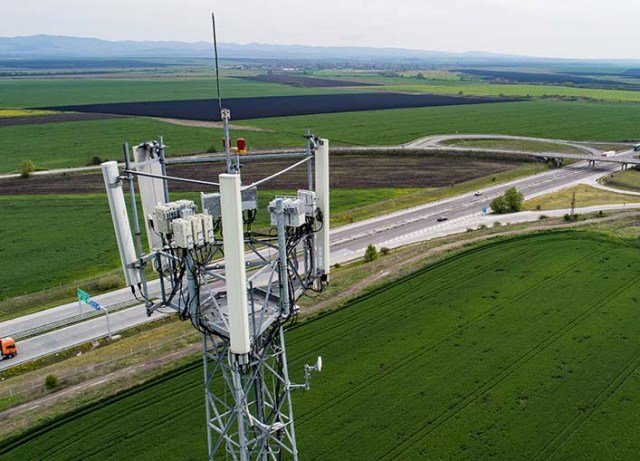
Manoj Kumar Singh, Director General of the Digital Infrastructure Providers Association (DIPA), urged the government to recognize telecom towers as critical infrastructure and extend industrial power tariffs nationwide. Such a move would significantly lower operational costs and allow infrastructure providers to accelerate investments in network expansion and modernization.
Smart Metering and Billing Reforms
Smart metering remains a major challenge, with only around 22 percent nationwide installation and about 21 percent coverage across telecom towers. The extension of the Revamped Distribution Sector Scheme timeline from 31 March 2026 to 31 March 2028 highlights the slow pace of deployment.
DIPA has recommended priority implementation of smart meters for the telecom sector. In addition, the association has called for the adoption of composite billing. The absence of composite billing currently leads to higher operational costs, duplicate processes, delayed reconciliation, and billing disputes. Composite billing would improve transparency, reduce administrative overheads, and generate operational savings for DISCOMs and state governments.
Green Energy Access and Renewable Integration
While the Green Energy Open Access Rules 2022 enable renewable energy adoption, high transmission charges, cross-subsidy surcharges, and additional levies continue to restrict participation by the telecom sector, despite its commitment to net zero by 2070.
DIPA has proposed nil transmission charges for low tension captive consumers to accelerate green energy adoption and support energy self-reliance, in alignment with the PM Surya Ghar Yojana. The association has also urged that the PM Surya Ghar Yojana be extended to all low tension captive consumers, exempting them from tariff charges.
Inclusion of Petroleum Products Under GST
Petroleum products such as petrol, diesel, and natural gas remain outside the GST framework, resulting in the continued application of VAT, central sales tax, and excise duty. The lack of input tax credit on these legacy taxes leads to tax cascading, increasing costs for telecom operations.
DIPA has called for the inclusion of petroleum products under GST, with input tax credit allowed for industrial usage. This reform would help eliminate cascading taxes, lower operational costs, and enhance the overall competitiveness of the telecom sector.
Right of Way and Infrastructure Rollouts
Right of Way remains a critical enabler for rapid network deployment. DIPA has emphasized that free of charge Right of Way should be enabled for shared infrastructure to support faster and more cost-effective rollouts of digital networks across India.
Incentivizing Battery Technologies Batteries play a crucial role in renewable energy integration by addressing intermittency and availability challenges. DIPA has urged the government to incentivize advanced battery technologies at the last mile, particularly for telecom towers and electric vehicles. Supporting battery adoption would strengthen energy resilience and accelerate the transition toward cleaner and more reliable digital infrastructure.
BABURAJAN KIZHAKEDATH