Today’s telecom news includes announcements on TRAI, Telecom Namibia, Communications Regulatory Authority of Namibia (CRAN), COAI, among others.
Telcos Push Property Owners to Fund Digital Connectivity Infrastructure
Telecom operators and internet service providers in India have urged the Telecom Regulatory Authority of India (TRAI) to shift the financial burden of in-building digital connectivity infrastructure to property managers instead of service providers. Industry bodies, including the Cellular Operators Association of India, argue that property owners benefit directly through higher rents and better tenant retention, making them better suited to bear these costs. They emphasized that expenses related to installation, maintenance, and upgrades especially in public infrastructure like airports and metro stations should not fall on telcos. The Broadband India Forum also supported this stance, stating that telecom infrastructure should be treated as a core component of property development, similar to utilities like electricity and water.
Namibia Accelerates Rural Connectivity with USF Phase 2 Rollout
Telecom Namibia and the Communications Regulatory Authority of Namibia (CRAN) have launched Phase 2 of the Universal Service Fund (USF) project to expand connectivity in underserved rural regions. Backed by a subsidy of around N$9.8 million, the initiative will support the deployment of new Radio Access Network (RAN) sites and telecom infrastructure to improve mobile and broadband coverage. The project targets multiple remote regions, aiming to bridge the digital divide and strengthen national connectivity. A key feature includes providing free internet access to schools and healthcare facilities within coverage areas for seven years, enhancing access to essential services and supporting Namibia’s broader digital inclusion and infrastructure development goals.
5G Slowdown Pushes Vendors Toward AI Pivot
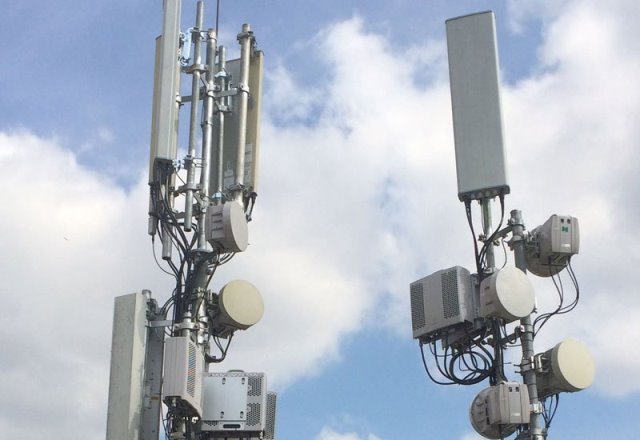
The global 5G hardware market is experiencing a slowdown as telecom operators tighten capital expenditure amid uncertain returns on earlier network investments. With major 5G rollouts largely completed in key markets, operators are prioritizing cost control and monetization over fresh infrastructure spending. This shift is impacting traditional telecom equipment vendors, prompting them to diversify beyond hardware. In response, vendors are increasingly pivoting toward AI-driven solutions, focusing on automation, network optimization, and enterprise services to sustain growth. The trend reflects a broader industry transition where AI is emerging as a critical revenue driver, helping vendors offset declining demand for conventional 5G hardware and adapt to evolving market dynamics.
SHAFANA FAZAL