Today’s telecom news includes announcements on Starlink in Iran, QoS in Congo, Satellite-to-Mobile Technology, among others.
Iranians Turn to Starlink Amid Internet Blackouts
Reports indicate that Iranians are increasingly using Elon Musk’s Starlink satellite internet to bypass government-imposed internet blackouts. The move highlights the growing role of low-Earth orbit (LEO) satellite networks in maintaining connectivity during disruptions. Starlink’s technology provides fast, reliable internet independent of terrestrial infrastructure, enabling access to information, communication, and digital services even during widespread outages. Strategically, the adoption underscores the resilience and global utility of satellite-based broadband solutions. For users, it ensures continuity in education, business, and personal communications during blackouts. The trend also reflects the broader potential of space-based connectivity to support digital inclusion and provide alternative pathways in regions with restricted or unstable internet access.
DRC Ready to Enforce Telecom Quality-of-Service Standards
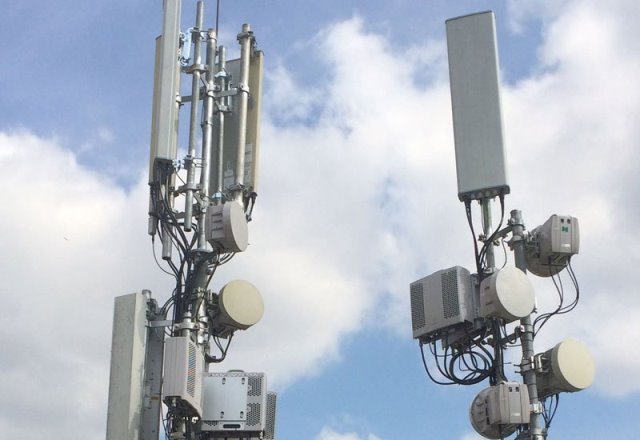
The Democratic Republic of Congo (DRC) is preparing to sanction telecom operators that fail to meet established quality-of-service (QoS) standards, aiming to improve reliability and performance across the country’s networks. Regulators will monitor network coverage, call success rates, and data service quality to ensure operators deliver consistent service. Strategically, this move encourages investment in network upgrades, modern infrastructure, and customer-centric solutions. For consumers, enforcing QoS standards promises better connectivity, fewer dropped calls, and improved data speeds, particularly in underserved regions. The initiative reflects a growing trend in emerging markets to strengthen regulatory oversight, enhance service accountability, and support equitable digital access, ultimately driving long-term growth and trust in the telecom sector.
Nigeria Explores Satellite-to-Mobile Technology to Bridge Connectivity Gaps
Nigeria is evaluating satellite-to-mobile (S2M) technology to expand internet and mobile coverage in underserved and remote regions. The approach leverages low-Earth orbit (LEO) satellites to provide direct connectivity to standard mobile devices without requiring traditional terrestrial infrastructure. Strategically, this initiative aims to close the digital divide, support rural economic development, and enhance national connectivity resilience. For consumers, S2M technology promises broader network access, faster data services, and improved reliability in areas previously lacking coverage. The move underscores Nigeria’s commitment to innovative solutions in telecommunications, enabling both social and economic benefits while fostering investment in next-generation networks that can complement existing cellular and broadband infrastructure.
SHAFANA FAZAL