
Today’s telecom news includes announcements on O2, Ligent Technologies, Malawi, among others.
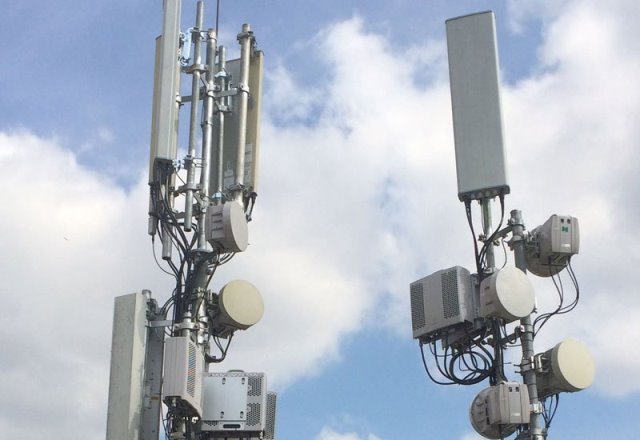
O2 Extends 5G+ Across Northern Ireland to More Than 800,000 Residents
O2 has switched on its next-generation 5G+ network across five cities, 22 large towns and 382 smaller towns, villages and hamlets in Northern Ireland, potentially reaching more than 800,000 residents. The standalone 5G network is designed to deliver faster speeds, lower latency and improved reliability at no additional cost for customers with compatible devices. The rollout forms part of Virgin Media O2’s £700 million Mobile Transformation Plan, which is upgrading network capacity and coverage through new masts, small cells, 4G and 5G enhancements, automation and additional spectrum. The expansion covers communities from Belfast, Derry, Lisburn and Armagh to remote locations, extending higher-performance connectivity across all six counties.
Ligent Targets $800 Million Hong Kong IPO as AI Drives Optical Demand
Chinese optical communications equipment maker Ligent Technologies is planning a Hong Kong initial public offering that could raise about $800 million as early as September 14, according to sources cited by The Edge Malaysia. The company is reportedly targeting a valuation of around 28 billion yuan, with a potential September 22 listing, although the terms and timetable could change. Ligent manufactures optical transceivers, optical chips and network terminals used in data centers, cloud computing and telecommunications networks. Its first-half profit rose nearly 30 percent year over year to 661 million yuan, while revenue increased close to 28 percent to 5.39 billion yuan. Ligent attributed growth largely to higher datacom transceiver sales driven by artificial intelligence and cloud computing demand.
Malawi Activates 36th Rural Telecom Tower to Expand Connectivity
Malawi has activated a new telecommunications tower in Kalira Village under its Last Mile Rural Connectivity Project, marking the 36th tower delivered through the government initiative. The facility provides coverage across about 10 square kilometers, improving access to mobile calls, internet services and mobile money for an underserved rural community. Schools, health centers and local businesses are also expected to benefit from more reliable connectivity. The project aims to reduce Malawi’s digital divide, with the government planning another 99 telecommunications towers under the wider rural connectivity program. The initiative is expected to reach its target by June 2027 and supports broader efforts to expand digital public services and economic participation in communities previously lacking dependable network access.

