
Today’s telecom news includes announcements on DoT, Nokia, A1 Group, Chunghwa Telecom, du, e&, Mobily, stc, Zain Saudi, among others.
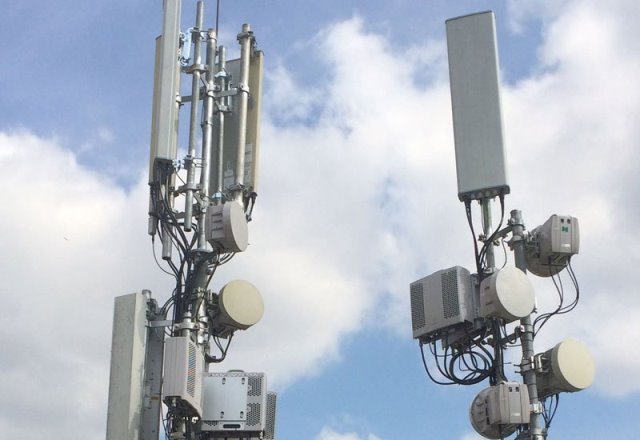
India Approves Disbanding of Digital Communications Commission
India’s Union Cabinet has approved the disbanding of the Digital Communications Commission, the telecom policymaking body formerly known as the Telecom Commission. Established in 1989 and renamed in 2018, the commission has been responsible for telecom policy, the Department of Telecommunications’ annual budget and implementation of government decisions. The restructuring follows concerns over overlapping responsibilities between commission members and DoT advisers, as well as delays in decision-making. The move is expected to change the institutional framework for telecom policy and administration, with responsibilities shifting within the Department of Telecommunications. The development marks a significant change in India’s telecom governance structure.
Nokia Reports Rising Operator Momentum for AI-RAN
Nokia is seeing increased engagement from telecom operators with its AI-RAN technology as companies move toward laboratory and live field trials. Operators including A1 Group, Chunghwa Telecom, du, e&, Mobily, stc, TPG Telecom and Zain Saudi are testing Nokia’s AI-RAN platform using NVIDIA technology across multiple regions. Nokia said its AI-RAN platform has achieved more than 20 percent improvements in spectral efficiency through AI-powered radio innovations. The company plans additional software-driven efficiency improvements in 2027 and 2028. Nokia’s platform combines AI-native anyRAN software with NVIDIA technology, supporting the development of more software-driven and AI-enabled 5G networks as the industry advances toward 6G.
Rural India’s Telecom Market Moves Beyond Basic Mobile Connectivity
Rural India’s telecom market has shifted over the past decade from basic voice connectivity toward data consumption and digital services. Rural wireless subscribers increased from about 419.31 million in FY15 to more than 535 million in FY21 before reaching around 518 million in March 2023. At the same time, rural wireline connections declined from 5.12 million in March 2015 to 3.50 million in March 2025. The market is increasingly focused on network quality, smartphone adoption, indoor coverage and connectivity in difficult geographies. Growing use of 5G, AI-enabled services, digital payments, agriculture technology, healthcare and education applications is also expanding the role of telecom networks in rural India.

