Today’s telecom news includes announcements on Reliance Jio, Bharti Airtel, Vodafone Idea, Mumbai Metro Rail Corporation, BSNL, among others.
₹1,000/sq ft Shock: Telcos Slam Mumbai Metro Tender, Push for Faster Network Rollout
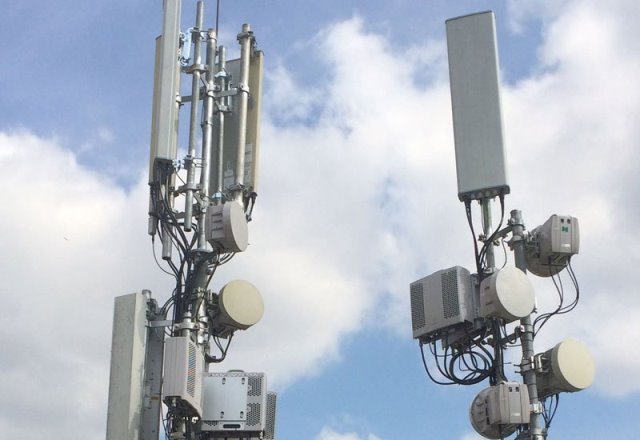
Telecom operators including Reliance Jio, Bharti Airtel, and Vodafone Idea have opposed a fresh connectivity tender issued by Mumbai Metro Rail Corporation Ltd, citing an “exorbitant” reserve price of ₹1,000 per sq ft and warning that such pricing even for non-usable areas could slow mobile network rollout across metro stations. Instead, the operators have proposed purchasing the existing telecom infrastructure installed by former vendor ACES to avoid duplication and accelerate deployment, while also backing a shared network model to ensure seamless and reliable connectivity throughout the metro system, particularly in underground sections where consistent coverage is critical.
Use It or Lose It? Paid Mobile Data Expiry Sparks Outrage
Raghav Chadha has raised concerns in Parliament over telecom companies’ “use it or lose it” data policy, questioning why users’ paid mobile data expires. He argued that consumers should have full rights over purchased data, comparing it to fuel that does not expire once bought. Chadha proposed reforms including allowing data rollover to the next billing cycle, offering value adjustments for unused data, and enabling data sharing between users. His call highlights increasing scrutiny over consumer rights in India’s telecom sector, prompting debates on fairness and transparency in data usage policies while emphasizing the need for regulations that better protect customers’ investments in mobile services.
India’s 5G Leap: Vi and BSNL Join Forces for Infrastructure and Spectrum Sharing
Vodafone Idea (Vi) and Bharat Sanchar Nigam Limited (BSNL) have initiated talks to share telecom infrastructure, including towers, fibre networks, and potentially spectrum, aiming to cut costs and expand coverage. This collaboration seeks to reduce duplication of investments, enhance network reach in underserved regions, and accelerate India’s 5G deployment. Facing financial and competitive pressures, both operators view infrastructure sharing as a practical strategy to optimize resources while improving service quality. If implemented, this partnership could set a precedent for cooperative models in the Indian telecom sector, supporting faster rollout of next-generation connectivity and making 5G more accessible across the country.
SHAFANA FAZAL