

Qualcomm Technologies has introduced a sweeping portfolio of AI-native innovations at Mobile World Congress (MWC 2026), outlining its roadmap to redefine the future of wireless connectivity, edge computing and industrial intelligence. By embedding artificial intelligence directly into modems, radio access networks, Wi-Fi platforms and industrial systems, Qualcomm is positioning itself at the center of the AI-driven transformation of telecom and enterprise infrastructure.

6G Vision and Advanced 5G Evolution
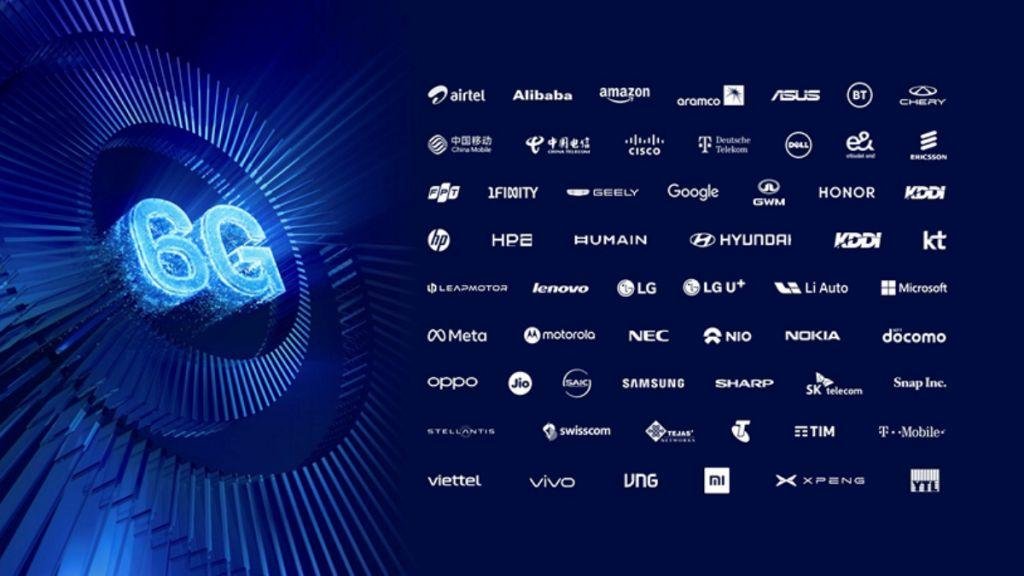
A key pillar of Qualcomm’s strategy is accelerating the path to 6G, with commercial deployment targeted for 2029. The company is working alongside ecosystem leaders such as Ericsson and Nokia, as well as major global operators, to develop AI-native networks that seamlessly integrate connectivity, distributed computing and wide-area sensing.
These next-generation networks are designed to transform telecom operators into AI-powered service providers by distributing intelligence across devices, edge infrastructure and cloud environments. Qualcomm’s approach emphasizes native AI integration at every layer, enabling real-time decision-making, predictive optimization and enhanced spectral efficiency.
In the immediate term, Qualcomm is strengthening 5G performance with the Qualcomm X105 5G Modem-RF system. As the world’s first Release 19-ready modem, it supports peak download speeds of up to 14.8 Gbps and features a sixth-generation AI processor engineered to dynamically optimize network traffic. This enables superior performance for bandwidth-intensive applications such as cloud gaming, immersive video conferencing and AI-enhanced mobile services.
Qualcomm is also expanding collaboration with T-Mobile to validate foundational 6G technologies in live network environments. The partnership focuses on ensuring measurable gains in efficiency, latency reduction and user experience while preparing infrastructure for the transition beyond 5G.
Agentic RAN and Autonomous Network Intelligence
To further automate and optimize radio access networks, Qualcomm introduced the Agentic RAN Management Service within its Dragonwing RAN Automation Suite. This new capability establishes an intelligent “Agentic Layer” composed of specialized AI agents that continuously monitor network performance, diagnose anomalies and autonomously implement corrective actions.
The Agentic RAN framework is designed to reduce operational complexity, improve energy efficiency and enhance service reliability. By embedding AI-driven decision-making into RAN operations, Qualcomm is laying the groundwork for fully autonomous 6G-grade networks while delivering tangible improvements in current 5G deployments.
Industrial AI and Private 5G Integration
Beyond telecom networks, Qualcomm is advancing industrial digital transformation through collaboration with Siemens. By integrating the Qualcomm Cloud AI 100 Accelerator Card into Siemens Industrial PCs, the partnership enables on-premises AI processing within factory environments.
This edge-based AI deployment supports real-time analytics for autonomous guided vehicles, robotics and machine vision systems operating on private Industrial 5G networks. Processing data locally enhances security, reduces latency and minimizes reliance on centralized cloud resources, leading to improved operational efficiency and productivity in manufacturing settings.
The convergence of AI acceleration and private wireless connectivity marks a significant step toward intelligent factories capable of autonomous decision-making and predictive maintenance.
AI-Native Wi-Fi 8 and Next-Generation Wearables
On the consumer front, Qualcomm introduced its AI-native Wi-Fi 8 portfolio designed to unify client devices and network infrastructure. The FastConnect 8800 mobile system delivers speeds exceeding 10 Gbps while improving range and reliability in dense environments such as stadiums, campuses and smart homes. Support for Bluetooth 7.0 enhances proximity-aware interactions and enables more precise device-to-device communication.
Qualcomm is also expanding AI capabilities in wearables through the Snapdragon Wear Elite Platform. By distributing AI workloads directly to the wearable edge, the platform supports advanced health monitoring, contextual awareness and personalized AI assistants that operate independently of the cloud. This architecture optimizes battery life while enabling more proactive and intelligent user experiences.
Architecting the AI-Native Connectivity Ecosystem
Qualcomm’s announcements at MWC 2026 underscore a broader industry shift toward AI-native connectivity architectures. By embedding intelligence into modems, RAN systems, Wi-Fi platforms and industrial endpoints, the company aims to create a unified ecosystem where AI enhances every layer of communication.
FASNA SHABEER