

Today’s telecom news includes announcements on Jio, Ericsson, Nokia, COAI, Airtel, Vodafone Idea, BSNL, Huawei, among others.

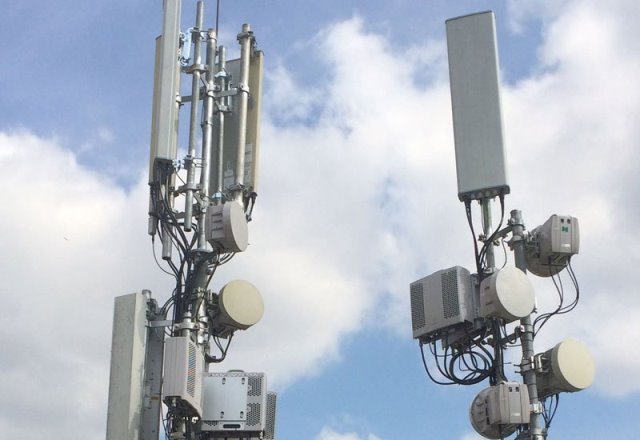
Telecom 2026: 5G, AI, and Digital Trust to Drive Next-Gen Connectivity
Indian telecom leaders like Reliance Jio, Ericsson, Nokia, and COAI highlight that 2026 will be shaped by 5G monetisation, AI-driven growth, and digital trust. Operators are investing in AI, cloud, and edge computing to enhance network performance, automation, and efficiency, while exploring new revenue streams beyond basic connectivity. The rollout of 5G standalone networks, network APIs, private 5G, and enhanced mobile broadband is expected to unlock enterprise and consumer use cases, driving monetisation. Industry investments in network expansion, automation, and data centres, coupled with AI-enabled smarter operations and developer-centric services, aim to provide customers with reliable, secure, and high-performance connectivity.
Telecom Giants Launch Aadhaar-Linked Caller ID to Curb Spam and Fraud
India’s top telecom operators Jio, Airtel, Vodafone Idea (Vi), and BSNL are rolling out an Aadhaar-linked Caller Name Presentation (CNAP) service that displays the caller’s registered name on incoming calls, even if the number isn’t saved. This innovation enhances customer security by reducing spam, scams, and fraudulent calls, using verified KYC data instead of third-party apps. Being deployed in phases with a nationwide rollout planned by early 2026, CNAP improves call screening and ensures reliable identification of unknown callers.
Huawei Boosts Domestic Components to 60 Percent, Driving Innovation and Supply Chain Resilience
Huawei is increasing the proportion of Chinese-made components in its smartphones to nearly 60 percent by value, reflecting accelerated domestic technology capabilities amid U.S. export controls. This strategy involves heavy investment in local supply chains and component innovation, reducing reliance on foreign suppliers and strengthening resilience. By boosting local content, Huawei can better control costs, enhance customization for regional markets, and maintain product continuity despite geopolitical pressures.
SHAFANA FAZAL