

Indonesia’s telecom market is entering a new phase of steady growth, driven by wider 5G availability, rapid fiber-to-the-home expansion, and sustained investment by major operators. For consumers, this transformation translates into faster mobile speeds, more reliable home broadband, and better digital services as the industry shifts decisively toward data-centric connectivity.

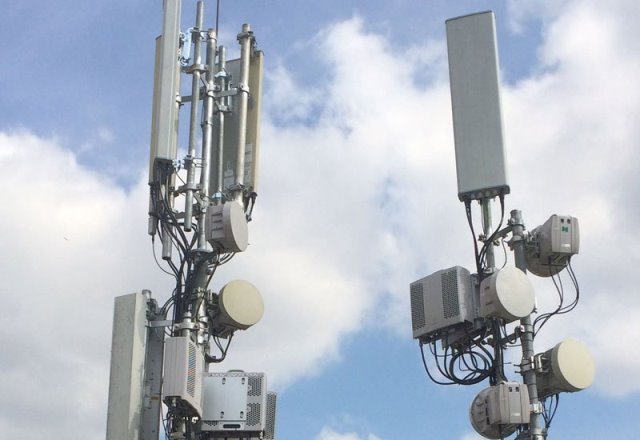
Telecom market growth driven by data demand
Indonesia’s total telecom services revenue is projected to grow at a compound annual growth rate of 3.7 percent between 2024 and 2029, supported by rising mobile data usage and expanding fixed broadband penetration, according to GlobalData report. As Indonesians spend more time streaming video, gaming, working online, and using digital services, operators are prioritizing networks that can handle higher data volumes and deliver consistent performance.
Traditional mobile voice services continue to decline as consumers rely more on messaging and calling apps. Voice minutes are increasingly bundled into data plans, putting pressure on voice revenue while accelerating the shift toward data-led pricing models.
Key numbers at a glance
Telecom revenue growth: 3.7 percent CAGR from 2024 to 2029
Mobile data revenue growth: 5.3 percent CAGR through 2029
5G share of connections: More than 30 percent by the end of the decade (GSMA forecast)
Total mobile connections: Over 310 million as of end-2024
Estimated industry investment: Around USD 18 billion between 2024 and 2030
Fixed broadband revenue growth: 4.5 percent CAGR from 2024 to 2029
Telkomsel subscribers: About 159 million
Indosat subscribers: Around 95.4 million
IndiHome broadband users: More than 10 million
Mobile data and 5G shape consumer experience
Mobile data services are emerging as the main growth engine of Indonesia’s telecom market. GlobalData estimates mobile data revenue will grow at a compound annual growth rate of 5.3 percent through 2029, supported by higher-value 5G plans, larger data bundles, and premium unlimited offerings.
While 4G remains the dominant technology and will continue to account for most subscriptions in the coming years, 5G adoption is accelerating. Expanding network coverage and the increasing affordability of 5G smartphones are making next-generation connectivity more accessible to consumers across urban and semi-urban areas.
GSMA forecasts indicate that 5G could account for more than 30 percent of mobile connections in Indonesia by the end of the decade. This growth is backed by significant industry investment, with mobile operators expected to invest around USD 18 billion between 2024 and 2030 to support advanced connectivity and new digital services.
Strong competition among mobile operators
Indonesia is one of Southeast Asia’s largest mobile markets, with more than 310 million cellular connections recorded at the end of 2024.
Telkomsel remained Indonesia’s largest mobile operator in Q3 2025, leading the market in both ARPU and subscriber base. The company reported an ARPU of IDR 43,400, the highest in the industry, despite a slight decline in subscribers to 157.6 million following the rationalization of low-cost starter packs. This strategy supported stronger monetization and a continued shift toward higher-value customers. By the end of 2024, Telkomsel had achieved more than 97 percent population coverage with 4G services and operated over 3,000 5G base stations across 56 cities by mid-2025. Its recent 5G expansion in Batam highlights the focus on improving speeds and coverage in key commercial and residential areas.
Indosat achieved a long-standing strategic target by reaching an ARPU of IDR 40,000 in Q3 2025, supported by network improvements and customer mix optimization. The operator served 95 million subscribers during the period. Its AI TechCo strategy, including the launch of GPU clusters, is expected to accelerate growth in non-cellular and enterprise revenue streams in the coming quarters. Indosat Ooredoo Hutchison has strengthened its position as the second-largest operator, serving around 95.4 million subscribers in early 2025. Growth in data usage and a focus on higher-quality customers have helped lift average revenue per user, reflecting improved network performance and service offerings.
XLSMART delivered its first full quarter of consolidated performance after the merger of XL Axiata and Smartfren. The combined entity reported an ARPU of IDR 38,900 and a total subscriber base of 79.6 million. XLSMART recorded the highest sequential ARPU growth among Indonesian operators, driven by successful user migration to integrated, higher-value plans.
XL Axiata, following its consolidation with Smartfren under the XLSmart structure, serves close to 95 million users. The merger aims to improve efficiency, optimize spectrum use, and enhance network quality in a highly competitive market.
Fiber broadband improves home connectivity
In the fixed communications segment, fixed voice services continue to decline as consumers move away from traditional landlines. Fixed broadband, however, is on a growth trajectory. GlobalData forecasts fixed broadband service revenue to rise at a compound annual growth rate of 4.5 percent between 2024 and 2029, largely driven by increased fiber-to-the-home adoption.
Telkom Indonesia leads the fixed broadband market through IndiHome, which surpassed 10 million subscribers by 2024. The integration of IndiHome under Telkomsel’s fixed-mobile convergence strategy allows consumers to bundle mobile and home broadband services, improving convenience, service reliability, and long-term value.
What this means for Indonesian consumers
Indonesia’s telecom market is evolving around faster data speeds, improved network quality, and seamless connectivity across mobile and home services. Instead of competing primarily on price, operators are focusing on coverage depth, service reliability, and digital experiences.
For consumers, this shift promises better mobile performance, stronger home internet connections, and broader access to digital services that support entertainment, education, remote work, and online commerce. As 5G and fiber networks expand nationwide, Indonesia’s telecom transformation is set to play a central role in supporting the country’s long-term digital economy ambitions.
FASNA SHABEER